admin
admin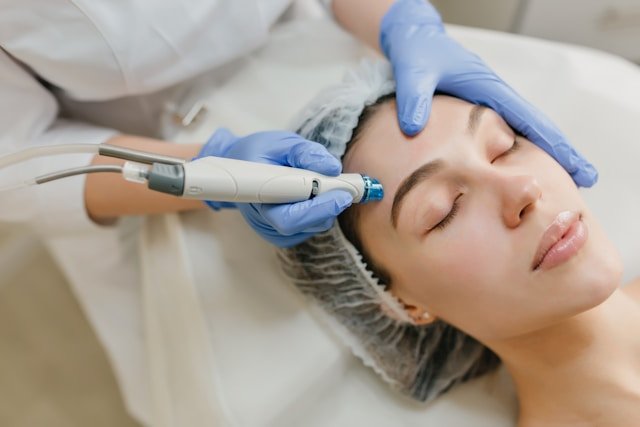
Botox is widely known as a cosmetic treatment used to reduce the appearance of fine lines and wrinkles. Over the years, it has become one of the most popular non-surgical aesthetic procedures worldwide, often chosen by people seeking a smoother, more refreshed appearance.
Interestingly, some individuals also report feeling more relaxed or less tense after receiving Botox treatments. While Botox is not a treatment for stress or anxiety itself, there are several reasons why people may associate the procedure with feelings of relaxation and improved well-being. From reducing facial tension to increasing self-confidence, the effects of Botox can sometimes influence how people feel emotionally as well as physically.
How Botox Works
Botox works by temporarily relaxing targeted muscles. In cosmetic treatments, it is commonly used in areas such as the forehead, around the eyes, and between the eyebrows to soften the appearance of expression lines caused by repeated muscle movement.
By limiting muscle contractions in these areas, the skin can appear smoother and more refreshed. The treatment is typically quick, minimally invasive, and requires little downtime, which has contributed to its popularity among busy professionals and individuals seeking subtle cosmetic improvements.
Although the primary purpose of cosmetic Botox is aesthetic, the way facial muscles interact with emotional expression has led some people to describe unexpected emotional benefits after treatment, including:
- Reduced Facial Tension
One reason some people feel more relaxed after Botox may relate to physical muscle tension. Many individuals unconsciously tighten facial muscles throughout the day, especially during stressful situations. Frowning, squinting, and tensing the forehead can become habitual responses to pressure, concentration, or anxiety. Botox may reduce some of this repeated muscle activity by relaxing targeted areas of the face. As a result, some people report feeling physically less tense because the muscles responsible for certain stress-related expressions are not contracting as strongly as before.
- The Link Between Facial Expressions and Emotions
There has been ongoing discussion around the connection between facial expressions and emotional experiences. Some researchers have explored the idea that facial movements may influence mood through a phenomenon sometimes called the facial feedback theory.
The theory suggests that facial expressions do not simply reflect emotions but may also contribute to reinforcing them. For example, constantly frowning during stressful periods may subtly reinforce feelings of tension or frustration.
By softening these expressions, Botox may change the way some people perceive their emotions or how they react to stress. While research in this area continues, some individuals report feeling calmer or less emotionally weighed down after treatment.
- Increased Confidence and Self-Esteem
For many people, the emotional benefits associated with Botox are linked more closely to confidence than muscle relaxation itself. Feeling happier with personal appearance can have a positive effect on self-esteem. When people feel more refreshed or youthful, they may feel more comfortable in social settings, work environments, or everyday interactions.
This boost in confidence can sometimes reduce self-consciousness and improve overall mood. Rather than worrying about appearing tired, stressed, or older than they feel, individuals may experience greater comfort in their appearance after treatment. Clinics such as Dermani MEDSPA® often provide consultations that help clients understand realistic expectations and choose treatments suited to their goals and concerns.
- A Sense of Self-Care and Routine
Another reason Botox may contribute to feelings of relaxation is the role self-care plays in emotional well-being. Taking time to invest in personal care can have psychological benefits beyond appearance alone. Many people view aesthetic treatments as part of a broader self-care routine alongside fitness, skincare, healthy eating, and stress management. Scheduling treatments can encourage individuals to focus on themselves, take a break from busy routines, and prioritise personal wellbeing.
Personal Confidence Looks Different for Everyone
The growing popularity of Botox reflects changing attitudes toward cosmetic treatments and self-care. For some individuals, the treatment is simply about reducing wrinkles. For others, it may also contribute to increased confidence, reduced facial tension, or an overall sense of well-being.
While Botox is not a solution for stress itself, some people find that the subtle improvements it provides help them feel more comfortable, refreshed, and at ease in their daily lives.